One forecast, two descriptions
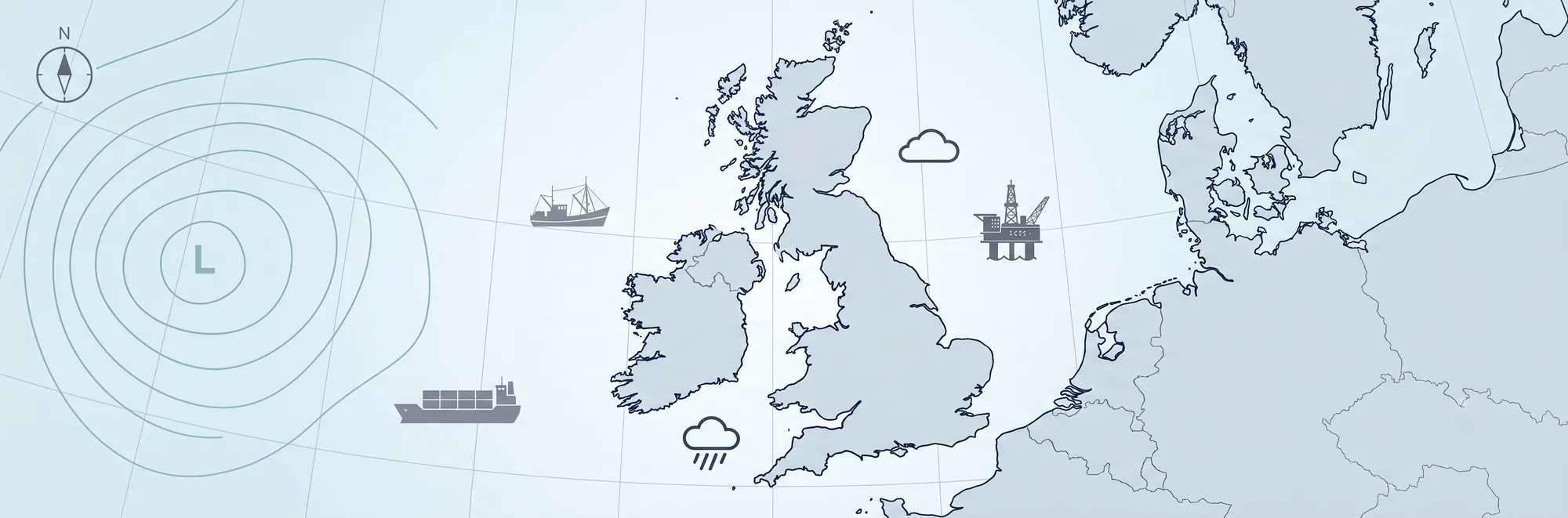
Take the maritime weather forecast. First, what it is; then what it does. Function analysis is the second view.
Anything you run, build or buy does many things. Function analysis captures each one in two words, then assembles them into strategy.
Or try the tool free, no sign-up
Function analysis is a structured way to describe what something does, rather than what it is. Rather than calling it a kettle, you describe what it does: boil water, heat element, contain liquid, indicate water-volume, look stylish, convey quality, and so on.
Each function is written as a verb-noun pair: an active verb followed by the thing it acts on. Keeping to two words forces clarity about the single thing being done.
Working in functions, not solutions or features, separates what something must achieve from how it currently does it. That opens up cheaper, simpler or better ways to reach the same result, and gives a team one precise language for what matters.
Free · no sign-up
Take the maritime weather forecast. First, what it is; then what it does. Function analysis is the second view.
No novelty here. FunctionAnalysis.app applies a discipline that has been used in serious engineering and value work for sixty years.
Function analysis began in General Electric’s wartime procurement and was codified by Charles Bytheway in the 1960s. It has underpinned value engineering and value management ever since, and is written into the British and European standard for value management, BS EN 12973:2020.
The tool comes from Shape Select Optimise, Stephen Cresswell’s independent value, risk and innovation practice, built on 20+ years in project risk and value management. It applies the same verb-noun discipline used in professional value-management work.
ssovalue.co.uk →Read about the rationale behind FAST, and how it can be deployed in the AI age. AI systems are defined by what they do, so functions are the natural language for designing, assuring and auditing them.
Read the pFAST white paper →Tell us what you’d like to analyse: a process, a product, an AI system. We’ll come back to you within one working day.
Prefer to write it your own way? Email works just as well:
me@stephencresswell.co.ukStephen Cresswell, Shape Select Optimise. 20+ years in project risk and value management. Every enquiry is read and answered personally.